No image
Piero D'Orfles
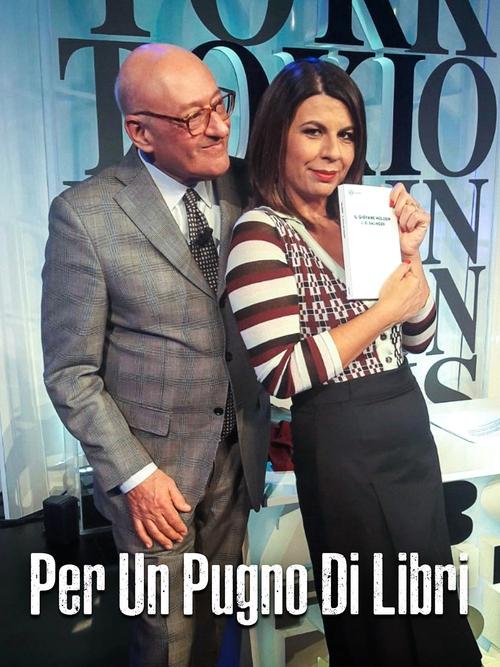
The Rai3 program that features two school classes comparing notes on a literary classic.
Italian book game
In the first episode of the new season, the 5th A class of the scientific high school "S. Pertini" of Ladispoli and the 5th A class of the classical high school "G. Leopardi" of Macerata are competing. The text they are competing on is a short story by Karen Blixen, "Babette's Feast", which was made into a famous film. It is an opportunity to talk metaphorically about food, a very popular topic today. We see the relationship that kids have with food, discover their tastes and find a way to move from food to topics that have to do with current events.
"Per un pugno di libri" pays homage to Vincenzo Cerami, the writer and screenwriter who recently passed away. The two classes, 5°A of the Romita scientific high school in Campobasso and 5°A of the Ricci Curbastro scientific high school in Lugo di Romagna, compete on "Un borghese piccolo piccolo", the successful debut novel transformed into a successful film by Mario Monicelli starring Alberto Sordi. The competition is hosted by Geppi Cucciari with the help of Professor Piero Dorfles.
At the center of the third episode of "Per un pugno di libri" is one of the most famous and controversial novels of the twentieth century: "Lady Chatterley's Lover" by David H. Lawrence. Accused of obscenity, tried and finally acquitted in 1960, after more than forty years from its publication, today the work of the English writer appears as one of the cornerstones of the twentieth century for the courage and intensity with which amorous passion was expressed. Two classes challenge each other in the usual games around Lawrence's novel: the Raffaello technical tourist institute of Urbino and the Iris Versari scientific high school of Cesano Maderno (Monza). Leading the game, as always, is Geppi Cucciari with Piero Dorfles.
"The Shining" by Stephen King is the focus of the fourth episode of "A Fistful of Books". It is the most famous novel by the king of thrillers, thanks also to the film that Stanley Kubrick made from it. The two classes that as always challenge each other, must deal with the protagonists of the terrifying story: the failed writer Jack Torrance, his wife Wendy and the little Danny endowed with special powers. The competition is the 3°E of the Nicola Spedalieri classical high school in Catania and the 5°H of the Piero Calamandrei scientific high school in Naples. Leading the game, as always, is Geppi Cucciari with professor Piero Dorfles.
Thanks to "The Periodic Table" by Primo Levi, to "For a Fistful of Books", with Geppi Cucciari and Piero Dorfles, we play with literature and with... chemistry. In fact, the stories in Levi's book, indicated as the best science book ever written, each bear the scientific name of a chemical element. Primo Levi, in addition to being a great writer, was also a chemist, and had studied at the Massimo D'Azeglio Classical High School in Turin, where the 3°B class comes from to play in the program. Against them is another 3°B: that of the Goffredo Mameli Classical High School in Rome. Leading the game, as always, is Geppi Cucciari with Professor Piero Dorfles.
Ben, Harry and Ada: they are the protagonists of "I cani e i lupi", the beautiful latest novel by Irène Némirovsky, at the center of the episode. The two classes in play are: the 3°G of the classical high school Romagnosi of Parma and the 5°B of the scientific high school Giovanni Paolo I of Agnone, Isernia. Up for grabs are many books and the possibility of accessing the final between the two classes that have ranked best during the season of Per un pugno di libri. Leading the game, as always, is Geppi Cucciari with Professor Piero Dorfles.
The episode of "Per un pugno di libri" focuses on the end of a world, the Austro-Hungarian Empire. This is in fact the theme of "La cripta dei Cappuccini", the novel by Joseph Roth. For the book's protagonist - and perhaps also for its author - the end of a world was also the end of the world. For the competing classes, it is an opportunity to read and engage with a masterpiece of twentieth-century literature. The 5th D of the Albert Einstein scientific high school in Milan and the 5th C of the Ruggero Settimo linguistic high school in Caltanissetta are competing in the episode. Leading the game, as always, is Geppi Cucciari with Professor Piero Dorfles.
The theme of this episode is "The sovereign reader" by Alan Bennett, the book on which the two high school classes compete. The challengers are class 5°B of the scientific high school Rinaldo D'Aquino of Montella and class 5°G of the scientific high school Enrico Fermi of Gaeta. The game is hosted by Geppi Cucciari and Professor Piero Dorfles.
At the center of the episode of "Per un pugno di libri" is a manhunt. "La scomparsa di Patò" by Andrea Camilleri is the book on which the two competing classes must compete. Where has Patò gone, the gentle accountant who played Judas during the "Mortorio", the sacred representation of Good Friday? Was he killed? Did he escape? Was he perhaps involved in shady business? The 3°C of the Ernesto Cairoli classical high school in Varese and the 5°A of the Francesco Filelfo scientific high school in Tolentino (Macerata) unravel the tangle of newspaper articles, police reports and anonymous letters that make up the novel. Leading the game, as always, is Geppi Cucciari with Professor Piero Dorfles.
The tenth episode of "For a Fistful of Books" is an invitation to a crazy adventure. At the center of the game, in fact, is "Traveling with Aunt", the novel written by Graham Greene "for the pleasure of writing" and read by those who love the pleasure of reading. Spies, adventurers, drugs, sex, illicit trafficking, are the explosive mixture that the protagonist of the book comes across, overwhelmed by an eccentric and nonconformist aunt whose existence he was unaware of. Competing on the fun book are the 5°M class of the Giuseppe Cevolani classical high school in Cento (Ferrara) and the 3°A/B class of the Angelico Aprosio classical high school in Ventimiglia (Imperia). Leading the game, as always, is Geppi Cucciari with Professor Piero Dorfles.
The book in play is the funny long story by Nikolaj Gogol "The Nose": can you suddenly lose your nose, then find it walking down the street and finally get it back? That's what happens to Gogol's protagonist against whom the two competing classes must compete. They are the 5°B of the Carolina Poerio high school of human sciences in Foggia, and the 5°F of the Giovanni Verga high school of linguistic sciences in Adrano (Catania). Up for grabs are many books and above all the chance to access the final next week that will be played between the classes that have ranked best during the season of "Per un pugno di libri".
Last episode of "Per un pugno di libri": we will finally know which team is the winner of this edition. In fact, competing for the title of champions are the two classes that during the tournament qualified with the highest score: the 3°B of the Massimo D'Azeglio classical high school in Turin and the 5°A/S of the Iris Versari scientific high school in Cesano Maderno. At the center of the episode and the various tests is a classic of Italian literature, "The Adventures of Pinocchio", by Collodi, a book loved by generations of readers young and old but which today is perhaps more famous than read. It's an opportunity to pick it up again. Leading the game, as always, is Geppi Cucciari with Professor Piero Dorfles.
In the first episode of the new season, the 5°F class of the "G. Galilei" Classical High School in Florence is competing with the 5°G class of the "Vincenzo Cuoco" Linguistic-Scientific High School in Naples. The text they are competing on is a very well-known book, if only for the film that was made from it. It is in fact Il postino di Neruda, the novel by the Chilean writer Antonio Skármeta, linked to the name of Massimo Troisi. It is an opportunity to also talk metaphorically about poetry, its relevance, the feelings that can only be expressed in verse. Let's see the relationship that the kids have with poetry, let's discover which poets are their favorites and which are their least favorites. Let's also try to go further, to understand that poetry is above all a look, the ability to see things in their most intimate meaning, in the resonance that they arouse in us.
The theme of this episode is "La bolla di componenda" by Andrea Camilleri, the book on which the two high school classes compete. The challengers are the 3°F of the Nicola Spedalieri classical high school in Catania and the 5°C of the Mattioli scientific high school in Vasto. The game is hosted by Geppi Cucciari and Professor Piero Dorfles.
The theme of this episode is "Amsterdam" by Ian McEwan, the book on which the two high school classes compete. The challengers are class 5°C of the Virgilio linguistic high school in Empoli and class 5°E of the De Santis classical high school in Salerno. The game is led by Geppi Cucciari and Professor Piero Dorfles.
Julius Caesar is a masterpiece by the Bard that, by telling us a story of ancient Rome, becomes a very current metaphor of power. Shakespeare declines this metaphor by making us understand the ruthlessness of those who, out of ambition, pursue maximum power. Ruthlessness that leads to betrayal and even Brutus' parricide of Caesar. Both the murdered father and the murderous son are the losers, while Mark Antony and Octavian are triumphant and take advantage of the bloodbath to affirm the supremacy of political power. The challengers are the 5th E of the Romita scientific high school in Campobasso and the 5th B of the Claudio Cavalleri scientific high school in Castano Primo.
Can a small man now on the twilight of his life change, give meaning to his life? Can a simple reporter rediscover the meaning of his work, of his role in society? These are the questions at the heart of "Sostiene Pereira", the famous novel by Antonio Tabucchi. And it is with this book that the students of a class from the scientific high school "Immanuel Kant" of Melito (Naples) and the classical high school "Amedeo di Savoia" of Tivoli (Rome) will confront each other on Saturday 7 March at 6 pm on Raitre.
Adolescence with its turmoil, frustrations and cruelty in the novel "Il ballo" by Irene Némirovsky. In this episode, the class 5°C/R of the liceo classico Giacomo Leopardi of Macerata and the liceo classico Adolfo Pansini of Naples compete.
"The Gambler" is one of the most fascinating novels by Fyodor Dostoevsky. And it is with it that the boys of the 5°B of the scientific high school Augusto Righi of Bologna and of the 5°E of the scientific high school of San Giovanni in Fiore (Cosenza) play.
Franny and Zooey, the pair of siblings invented by Jerome D. Salinger, in a fascinating and disturbing family portrait divided into two stories. It is with the problematic adolescence of the young girl Franny and with the existential and religious crisis of Zooey, a handsome and famous actor, that the boys of the 3°C of the classical high school Vincenzo Gioberti of Turin and the 5°S of the high school Antonio Cascino of Piazza Armerina (Enna) have to deal.
The great twentieth-century theater on stage. The students of class 5B of the Gandhi classical high school in Casoria (Naples) and class 5D of the Isaac Newton scientific high school in Rome are confronted with "The Threepenny Opera" by Bertolt Brecht, a theatrical text with music by Kurt Weill.
Pretending to be something you are not: exactly what the protagonist of "Our Man in Havana", a novel by Graham Greene, does. This work is a comparison between the students of class 5A of the Gaetano Salvemini scientific high school in Sorrento and the students of class 5E of the Francesco Vivona classical high school in Rome.
Who will be the 2015 champion of "Per un pugno di libri"? Who will win the final challenge between class 5A of the Amedeo di Savoia classical high school in Tivoli (Rome) and class 5C/R of the Giacomo Leopardi classical high school in Macerata? Those of Tivoli and Macerata are the two classes that ranked best in the preliminary competitions that this year saw students from all over Italy take part. The comparison between the finalist classes takes place on a book that has become topical again to coincide with the centenary of the First World War.
The theme of this episode is "Don Quixote", by Miguel de Cervantes Saavedra, the book on which the two high school classes compete. The challengers are class 3A of the Gualtiero classical high school in Orvieto and class 5A of the Euclide classical and scientific high school in Cagliari. The game is hosted by Geppi Cucciari and Professor Piero Dorfles.
The theme of this episode is "If Not Now, When?", by Primo Levi, the book on which the two high school classes compete. The challengers are the 5° B class of the Leonardo da Vinci scientific high school in Jesi and the 3° B class of the Mario Pagano classical high school in Campobasso. The game is hosted by Geppi Cucciari and Professor Piero Dorfles.
The theme of this episode is "Howard's End", by Edward Morgan Forster, the book on which the two high school classes compete. The challengers are class 5°B of the Gian Domenico Cassini classical high school in Sanremo and class 5°A/L of the Colombo linguistic high school in Marigliano. The game is hosted by Geppi Cucciari and Professor Piero Dorfles.
The theme of this episode is "The Nonexistent Knight", by Italo Calvino, the book on which the two high school classes compete. The challengers are class 3°F of the Carducci classical high school in Nola and class 5°B of the Vincenzo Lilla classical high school in Francavilla Fontana. The game is hosted by Geppi Cucciari and Professor Piero Dorfles.
The theme of this episode is "Misery", by Stephen King, the book on which the two high school classes compete. The challengers are the 5°D class of the liceo classico Europeo Convitto Nazionale Umberto I in Turin and the 3°B class of liceo classico Muratori in Modena. The game is hosted by Geppi Cucciari and Professor Piero Dorfles.
The theme of this episode is "The Double" by Fyodor Dostoevsky, the book on which the two high school classes compete. The challengers are class 5°F of the liceo classico Michelangelo in Florence and class 5°A of the liceo classico Dante Alighieri in Rome. The game is hosted by Geppi Cucciari and Professor Piero Dorfles.
The theme of this episode is "To Kill a Mockingbird", by Harper Lee, the book on which the two high school classes compete. The challengers are class 5A of the Sandro Pertini scientific high school in Ladispoli and class 5H of the Guido Dorso industrial technical institute in Avellino. The game is hosted by Geppi Cucciari and Professor Piero Dorfles.
The theme of this episode is "Maigret's Dead Man", by Georges Simenon, the book on which the two high school classes compete. The challengers are class 5°B/L of the Torricelli-Ballardini linguistic high school in Faenza and class 3°F of the Mariotti classical high school in Perugia. The game is hosted by Geppi Cucciari and Professor Piero Dorfles.
The theme of this episode is "Fever Pitch" by Nick Hornby, the book on which the two high school classes compete. The challengers are class 3°D of the Nicola Spedalieri classical high school in Catania and class 5°L/B of the Raffaello classical high school in Urbino. The game is hosted by Geppi Cucciari and Professor Piero Dorfles.
The theme of this episode is "The Hunting Season" by Andrea Camilleri, the book on which the two high school classes compete. The challengers are the 5°B/R class of the Giacomo Leopardi classical high school in Macerata and the 5°D class of the Ascanio Landi scientific high school in Velletri. The game is hosted by Geppi Cucciari and Professor Piero Dorfles.
The theme of this episode is "Macbeth", by William Shakespeare, the book on which the two high school classes compete. The challengers are the 5°E class of the Michelangelo Grigoletti scientific high school in Pordenone and the 5°A class of the Cicerone-Pollione linguistic high school in Formia. The game is hosted by Geppi Cucciari and Professor Piero Dorfles.
The theme of this episode is "Inferno" by Dante Alighieri, the book on which the two high school classes compete. The challengers are class 3°D of the Nicola Spedalieri classical high school in Catania and class 5°A of the Cicerone-Pollione linguistic high school in Formia. The game is hosted by Geppi Cucciari and Professor Piero Dorfles.
The theme of this episode is the famous novel by the British writer George Orwell, "Animal Farm", the book on which the two high school classes compete. The challengers are the 5 F of the "Antonio Roiti" scientific high school in Ferrara and the 5 L of the "A. Pieralli" linguistic high school in Perugia. The game is hosted by Geppi Cucciari and Professor Piero Dorfles, who in this episode recommends "Another part of the world" by Massimo Cirri (Feltrinelli) and "Nella valle senza nome" by Antonio Leotti (Laterza).
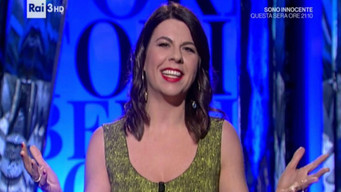
The theme of this episode is "If on a winter's night a traveler" (by Italo Calvino), the book on which the two high school classes compete. The challengers are 3 A/C of the Convitto Nazionale Maria Luigia of Parma and the students of the Piero Calamandrei classical high school of Naples. The game is hosted by Geppi Cucciari and Professor Piero Dorfles, who recommends, in this episode, "Dentro la sera. Conversazioni sull'scrivere" by Giuseppe Pontiggia (Belleville Editore) and "E poi libri, e ancora libri" by Federico Garcia Lorca (Edizioni Lindau).
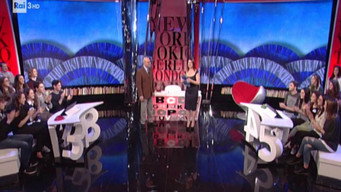
The theme of this episode is "Let the tears flow, the policeman said" by Philip K. Dick, the book on which the two high school classes compete. The challengers are the 3B of the "Carlo Lorenzini" linguistic high school in Pescia and the students of the "Lorenzo Respighi" scientific high school in Piacenza. The game is hosted by Geppi Cucciari and Professor Piero Dorfles, who recommends, in this episode, "Vertigo" by Boileau-Narcejac (Adelphi), "The Dress of Books" by Jhumpa Lahiri (Guanda) and "The Scorn" by Alessandro Zaccuri (Marsilio).
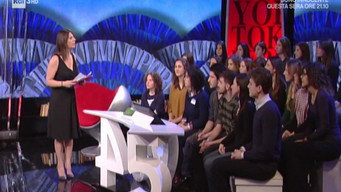
The theme of this episode is "One Hundred Years of Solitude" by Gabriel Garcìa Márquez, the book on which the two high school classes are competing. The challengers are 5°A from the Foscarini high school in Venice and 5°B from the Vincenzo Monti classical high school in Cesena. The game is hosted by Geppi Cucciari and Professor Piero Dorfles, who recommends, in this episode, "The Merry Men" by Robert Louis Stevenson (Nutrimenti) and "Of Mice and Men" by John Steinbeck (Bompiani).
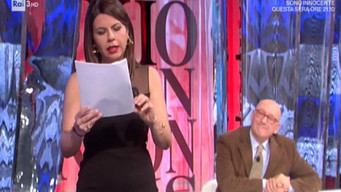
The theme of this episode is "Six Characters in Search of an Author" by Luigi Pirandello, the book on which the two high school classes compete. The two classes competing are the Augusto Righi scientific high school of Bologna and the 5th A class of the Leonardo Da Vinci scientific high school of Jesi. The game is hosted by Geppi Cucciari and Professor Piero Dorfles, who recommends, in this episode, "Carne mia" by Roberto Alajmo (Sellerio) and "Prima di perderti" by Tommaso Giagni (Stile libero Einaudi).
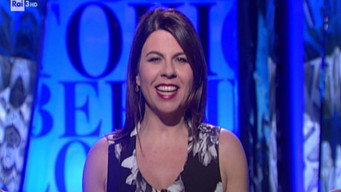
The sixth episode of "Per un pugno di libri", the most famous book game in Italy, sees the "Massimo D'Azeglio" Classical High School of Turin and the "Leonardo da Vinci" Scientific High School of Milan compete on the novel "The Center Forward Was Murdered Towards Evening" by the Spanish writer Manuel Velasquez Montalban. The game is hosted by Geppi Cucciari and Professor Piero Dorfles, who recommends, in this episode, "The Road in the Woods" by Colin Dexter (Sellerio) and "Like Wild Dogs" by Ian Rankin (Longanesi).
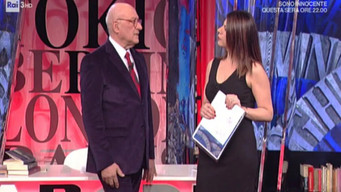
The theme of this episode is "Opinions of a Clown" by Heinrich Boll, the book on which the two high school classes are comparing notes. The challengers are the 5th A liceo classico scientifico Ariosto Spallanzani of Reggio Emilia and the 5th D liceo classico Amedeo di Savoia of Tivoli. The game is hosted by Geppi Cucciari and Professor Piero Dorfles, who recommends, in this episode, "La casa dei Krull" by Georges Simenon (Biblioteca Adelphi).
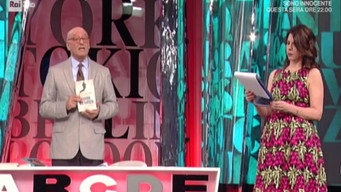
The theme of this episode is "Taras Bulba" by Nikolaj Gogol', the book on which the two high school classes compete. The challengers are the 5th A of the Giordano Bruno classical high school in Albenga and the 3rd A of the Vitruvio Pollione classical high school in Formia. The game is hosted by Geppi Cucciari and Professor Piero Dorfles, who recommends, in this episode, "Duel in the Ghetto" by Maurizio Molinari and Amedeo Osti Guerrazzi (Rizzoli) and "Scuola di classe" by Roberto Contessi (Laterza).
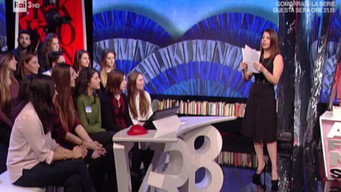
The theme of this episode is "The Ghost Writer" by Philip Roth, the book on which the two high school classes are competing. The challengers are the 5°B of the "Vasco-Beccaria-Govone" high school of human sciences in Mondovì (CN) and the 5°C/L of the "Lombardo Radice" linguistic high school in Rome. The game is hosted by Geppi Cucciari and Professor Piero Dorfles, who recommends, in this episode, "The Museum of the Penultimate Things" by Massimiliano Boni (66th and 2nd) and "The Present Is Not Enough (La lezione del latino)" by Ivano Dionigi (Mondadori).
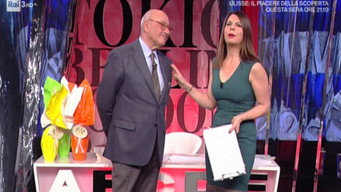
The theme of this episode is "Around the World in 80 Days" by Jules Verne, the book on which the two high school classes compete. The two high school classes are competing: the "Domenico Azuni" classical high school from Sassari and the "Luigi Pietrobono" classical high school from Alatri. The game is hosted by Geppi Cucciari and Professor Piero Dorfles, who recommends, in this episode, "The Great Tale of Ulysses" by Piero Boitani (Il Mulino) and "Guide to the World Tour" by Nanni Delbecchi (Bompiani).
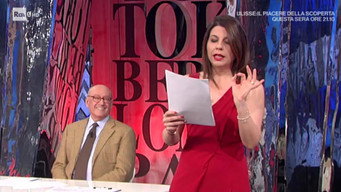
The theme of this episode is "Doctor Zhivago" by Boris Pasternak, the book on which the two high school classes compete. The challengers are the 5th G of the Filolao scientific high school in Crotone and the Vanini linguistic high school in Casarano. The game is hosted by Geppi Cucciari and Professor Piero Dorfles, who recommends, in this episode, "The recipe of Dr. Wasser" by Lars Gustafsson (Iperborea) and "Mr. Bovary & other characters" by Alberto Manguel (Pagine d'Arte).

The theme of this episode is "The Day of the Owl" by Leonardo Sciascia, the book on which the two high school classes are comparing notes. The game is hosted by Geppi Cucciari and Professor Piero Dorfles, who recommends, in this episode, "A futura memoria" by Leonardo Sciascia (Adelphi), and "Presunto terrorista" by Leif GW Persson (Marsilio).
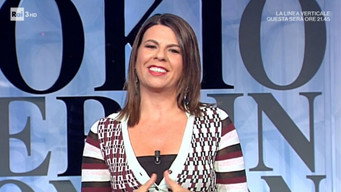
In this first episode of the new edition, the classes of the Liceo Classico "Tito Livio" of Padua and the Liceo Classico "Galileo Galilei" of Florence will compete. The text on which they will compete is a true "coming-of-age novel" of twentieth-century literature that has marked generations of readers: "The Catcher in the Rye" by the American writer J.D.Salinger. The books presented by Piero Dorfles are: "Bambinate", by Piergiorgio Paterlini (Einaudi 2017) and "Maria Accanto" by Matteo B. Bianchi (Fandango 2017).
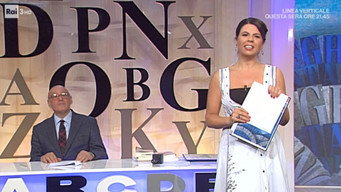
The second episode of "Per un pugno di libri", the most famous book game in Italy, sees the "Galileo Ferraris" Scientific High School of Turin and the "Pellegrino Rossi" Classical High School of Massa Carrara compete. To commemorate Holocaust Remembrance Day, the classes were asked to read Anne Frank's "Diary". Published in Italy in 1954 with a preface by Natalia Ginsburg, the "Diary" was written by Frank between June 1942 and August 1, 1944. It is considered one of the most lucid and touching historical testimonies of the clandestine life of a Jewish family during the Second World War and of the tragedy of the Shoah in the Nazi extermination camps. The prize at "Per un pugno di libri", as always, is not money, but works of genius (i.e. many books) and the possibility of accessing the final between the two classes that ranked best during the program.
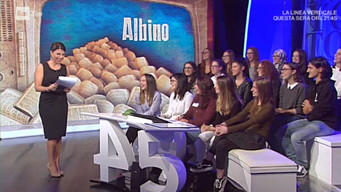
The eighteenth edition of the most famous book game in Italy continues unstoppably, with this episode pitting the "Oscar Romero" Linguistic High School of Albino (BG) against the "Orazio Flacco" Classical High School of Bari on Federico De Roberto's masterpiece "I Viceré". Published in 1894, the novel is a great portrait of a noble Sicilian family of Spanish origin, the Uzeda, between the Risorgimento and the Unification of Italy. Leading the game is Geppi Cucciari with Professor Piero Dorfles, who recommends, in this episode, "Borgo Vecchio" by Giosuè Calaciura (Sellerio 2017) and "Questo Nostra Italia" by Corrado Augias (Einaudi 2017).
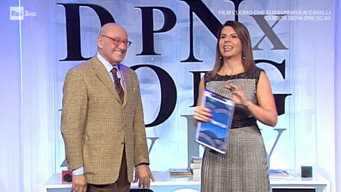
The fourth episode of the most famous book game in Italy sees the Liceo Scientifico "Galileo Galilei" of Palermo and the Liceo Scientifico "Euclide" of Cagliari compete this Saturday on one of the most famous novels by Nobel Prize winner Gabriel Garcia Marquez: "Chronicle of a Death Foretold". Published for the first time in Italy in 1982, in this novel Marquez confronts the inevitability of fate by reconstructing the last hours of Santiago Nasar's life, victim, as the title itself says, of a crime foretold that the whole country knows about, but that no one can avoid. From this novel, in 1987, Francesco Rosi, with the collaboration of Tonino Guerra, made a film adaptation. The game is hosted by Geppi Cucciari with professor Piero Dorfles, who recommends, in this episode, "Selfie" by Jussi Adler-Olsen (Marsilio 2018) and "Nel Più Bel Sogno" by Marco Vichi (Guanda 2017).
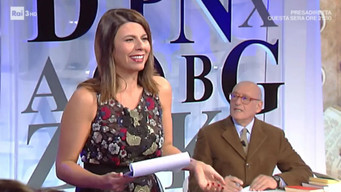
In the historic studios of Corso Sempione in Milan, the Liceo Classico "Jacopo Sannazaro" of Naples and the Liceo Classico "Giosuè Carducci" of Milan compete. In this fifth episode, "The Metamorphosis" by Franz Kafka (1883-1924) is the work on which the two high school classes will compete. The prize, as always, is not money, but works of genius (i.e. many books) and the possibility of accessing the final between the two classes ranked best during the program. Leading the game is Geppi Cucciari with professor Piero Dorfles, who recommends in this episode: "Vite straordinarie di uomini volante" by Errico Buonanno (Sellerio 2018) and "La cattivo" by Tammy Cohen (Astoria 2017).
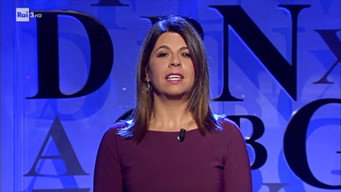
In this episode, the Liceo Classico "Dante" of Trieste and the Liceo Classico "Nevio" of Santa Maria Capua Vetere (Caserta) compete. The book featured in the episode is "Cosima" by Nobel Prize winner Grazia Deledda (1871-1936), the work on which the two high school classes will compete. Leading the game is Geppi Cucciari with Professor Piero Dorfles, who recommends, in this episode, "Deledda, Una vita come un romanzo" by Luciano Marrocu (Donzelli, 2016) and "Isola" by Siri Ranva Hjelm Jacobsen (Iperborea, 2018).
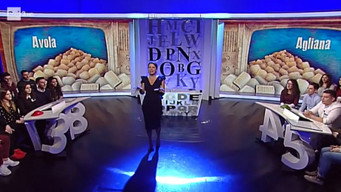
This seventh episode of "Per un pugno di libri", the most famous book game in Italy, sees the "Aldo Capitini" Technical Economic Institute of Agliana (PT) and the Majorana Institute of Avola (SR) compete. The two classes are competing against each other on Gustave Flaubert's unfinished novel "Bouvard and Pécuchet", published posthumously in 1881. Leading the game is Geppi Cucciari with Professor Piero Dorfles, who recommends, in this episode, "Deledda, Una vita come un romanzo" by Luciano Marrocu (Donzelli, 2016) and "Isola" by Siri Ranva Hjelm Jacobsen (Iperborea, 2018).
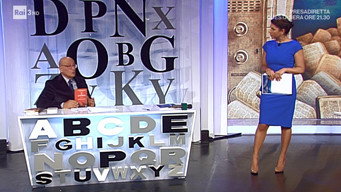
This episode of "Per Un Pugno di libri" sees the "Leonardo da Vinci" Linguistic High School of Civitanova Marche (MC) and the "Luigi Siciliani" Scientific High School of Catanzaro compete. The bestseller "Il profumo" by the German writer Patrick Suskind, published in 1985, is the book on which the two classes compete. Leading the game is Geppi Cucciari with Professor Piero Dorfles, who recommends, in this episode, "L'invidia degli dei" by Stefano Jacini (Bompiani, 2017) and "Stella o croce" by Gian Mauro Costa (Sellerio, 2018).
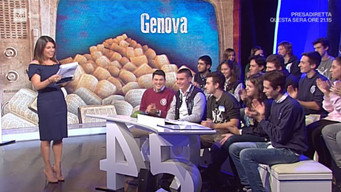
This episode sees the Liceo Classico "Giuseppe Mazzini" of Genoa and the Liceo Classico "Galileo Galilei" of Macomer (SS) compete on the latest novel by the Lombard writer Giuseppe Pontiggia "Nati due volte", published in 2000 and winner of the Campiello Prize the following year. The game is led by Geppi Cucciari with the professor Piero Dorfles, who recommends, in this episode, "Un ragazzo d'oro" by Eli Gottlieb (Minimum Fax, 2018) and "La lente di Svevo" by Giuseppe Pontiggia (EDB, 2017).
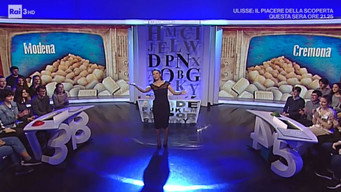
The most famous book game in Italy in this episode sees the Liceo Scientifico "Marco Gerolamo Vida" of Cremona and the Istituto Tecnico Industriale "Enrico Fermi" of Modena compete. The book on which the two classes compete is the short novel La Cerimonia del Massaggio, written in 2002 by the contemporary British writer Alan Bennett. Leading the game is Geppi Cucciari with Professor Piero Dorfles, who recommends, in this episode, "An English Crime", by Cyril Hare (Sellerio, 2017) and "Tutti i banchi sono uguali", by Christian Raimo (Einaudi 2017).
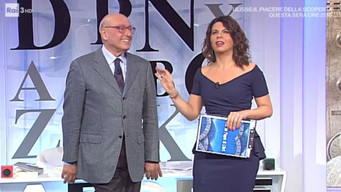
This episode of "Per Un Pugno di Libri" sees the "Virgilio" High School of Rome (international-French) and the "Volta" Scientific High School of Caltanissetta (international major) compete. The book on which the two classes compete is the famous novel "The Stranger" by Albert Camus, published in 1942 by the publisher Gallimard. Leading the game is Geppi Cucciari with Professor Piero Dorfles, who recommends, in this episode, "Bora. Istria, the Wind of Exile" by Anna Maria Mori and Nelide Milani (Marsilio, 2018) and "The Lost Friend" by Hella Haasse (Iperborea, 2017).
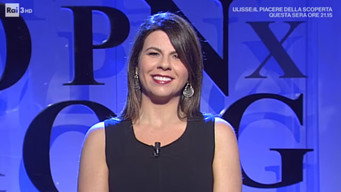
In this last episode of the eighteenth edition of "Per Un Pugno di Libri", the winners of the "endgame" are the fifth B of the Liceo Classico Statale "Giosuè Carducci" of Milan and the fifth H of the Liceo Scientifico Statale "Galileo Galilei" of Palermo. The classes challenge each other on one of William Shakespeare's theatrical masterpieces: "Richard III". Leading the game is Geppi Cucciari with professor Piero Dorfles, who recommends, in this episode, "Racconti del mistero di Charles Dickens" by Nero Dickens (Marsilio, 2016) and "Dieci lezioni sui classici" by Piero Boitani (Il Mulino, 2017).
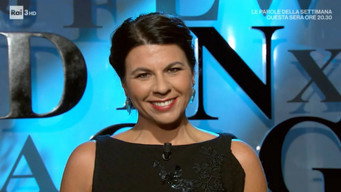
In this first episode, the two competing are the Liceo Scientifico "N. Copernico" of Verona and the Liceo Scientifico "V. De Capraris" of Atripalda (AV). The text they will be competing on is a true classic of the so-called dystopian science fiction genre: Fahrenheit 451 by the American writer Ray Bradbury. Published in 1953, Fahrenheit 451 is a still current reflection on the role of reading and mass media and on the freedom of the individual in contemporary society. Leading the game is Geppi Cucciari with Professor Piero Dorfles, who recommends, in this episode, "Furland" by Tullio Avoledo (Chiarelettere, 2018) and "Mrs. Caliban" by Rachel Ingalls (Narrativa Nottetempo, 2018).
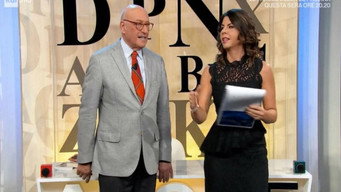
The second episode of the new edition of "Per Un Pugno di Libri" sees the Liceo Classico "Rinaldo Corso" of Correggio and the Liceo Classico "Pilo Albertelli" of Rome compete this Saturday. To commemorate the Day of Remembrance, the classes were asked to read "Lessico famigliare" by the Italian writer Natalia Ginsburg. Written in 1963 and winner of the Strega Prize, "Lessico famigliare" has as its main theme the memory that has always characterized Ginsburg's narrative. Memories as a heritage of shared bonds and passions. But alongside private memory and family relationships, the writer does not forget the dramatic history of those years: fascism, racial persecution, the war, the post-war period.
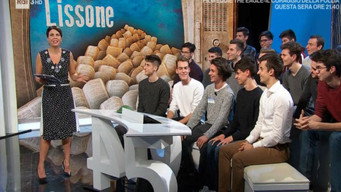
In this episode, the most famous book game on Italian television sees the Liceo Scientifico "F. Enriques" of Lissone (MB) and the Liceo Classico "G. Palmieri" of Lecce compete on the short novel "Naked and Raw" by contemporary English writer Alan Bennett. Published in Italy in 2001, "Naked and Raw" tells the paradoxical story of the Ransomes who, returning home from a Mozartian evening, discover their apartment completely ransacked. As often happens in Bennett's stories, the surreal incident becomes the pretext for this boring and habitual bourgeois couple to try to change their lifestyle, so as to be able to express that side of their personality that had remained hidden until that moment. The prize, as always, is not money, but works of genius (i.e. many books) and the possibility of accessing the final between the two classes that ranked best during the program.
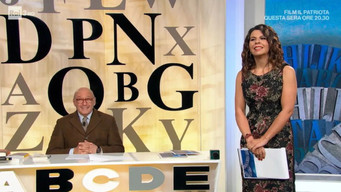
In this episode of "Per Un Pugno di Libri", the "Vittorio Alfieri" classical high school in Turin and the "Giuseppe Mercalli" scientific high school in Naples discuss the novel "La giornata di uno scrutatore" by Italo Calvino. Published in 1963, the book is inspired by a personal experience of the writer, who, as a candidate for the PCI, found himself visiting the polling station set up at the Cottolengo in Turin. There, the sick were induced to vote for the then majority party: the Christian Democracy. In the novel, in fact, the young protagonist, Amerigo Ormea, is a communist pollster sent by the party to the Cottolengo precisely to monitor the consolidated habit of manipulating the votes of the sick. But faced with that "world" and that pain, and above all faced with the self-denial with which the patients are cared for by a nun, the Marxist faith of the protagonist enters into crisis.
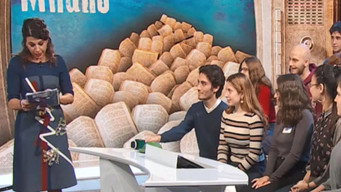
This Saturday, the European Classical High School "Setti Carraro" of Milan and the Technical Institute "Stendhal-Baccelli" of Civitavecchia will compete to the last book. The two classes will compete on the book Rites of Death by the contemporary Spanish writer Alicia Giménez Bartlett. Published in 1996 and set in Barcelona, the writer tells the story of the first investigative adventure of Petra Delicado, a police inspector. A young girl has been raped and has a flower-shaped tattoo on her wrist. In this task, the protagonist is supported by Fermín Garzón. He is a man no longer young who at times seems excessively moralistic and misogynistic. As time passes, the rapes increase and the two police officers see the case taken away, then see it returned to them, but they continue to investigate with tenacity, even when the victims, their relatives and the press seem to row against them and put spokes in their wheels.
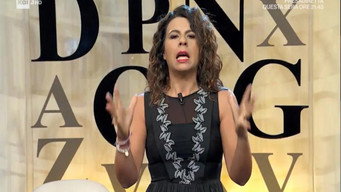
The twentieth edition of "Per Un Pugno di Libri" is proceeding unstoppably, with this Saturday's debate between the Liceo Scientifico "Galileo Galilei" of Erba and the Liceo Classico "Marco Minghetti" of Bologna on the masterpiece of the French writer Marguerite Yourcenar: "Memoirs of Hadrian". Published for the first time in 1951, Yourcenar herself wrote that the book is anything but a history essay, much less a novel, but rather a long letter (divided into six parts) that the emperor Hadrian, now old and ill, writes to his adoptive nephew, also a future emperor, Marcus Aurelius. The great intellectual sensitivity and intensity of Marguerite Yourcenar's analysis have made Memoirs of Hadrian an absolutely modern book, despite the fact that it addresses and speaks of the mentality of a man who lived two thousand years ago.
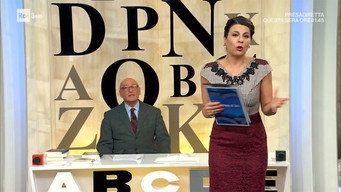
In this episode of "Per Un Pugno di Libri" the Liceo Classico "Ugo Foscolo" of Pavia and the Liceo Classico "Emanuele Duni" of Matera discuss the science fiction novel "The Man in the High Castle" by Philip K. Dick. Published for the first time in 1962, the novel won the Hugo Award, considered the highest recognition for a science fiction book. The plot of "The Man in the High Castle" is a reversal of what the outcome of the Second World War actually was. Philip K. Dick seems to ask himself - and the reader - what the world might have been like if the Axis powers (Germany, Italy and Japan) had won the war. The answer that the writer seems to suggest is that, although the war was won by the Allies, in reality the wicked and obscurantist forces of Nazism were not truly defeated, manifesting themselves in all their violence in capitalism and communist dictatorships.
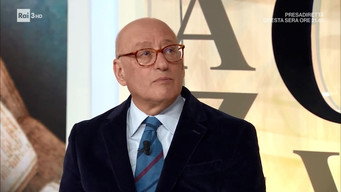
The most famous book game on Italian television this Saturday sees the Liceo Scientifico dell'Istituto "Vittorino-Bernini" in Genoa and the Liceo Artistico Musicale "Foiso Fois" in Cagliari compete on one of the most important and well-known novels of twentieth-century French literature: "The Plague" by Albert Camus. Published in 1947, just two years after the end of the Second World War, "The Plague" is a novel that must be read as an allegory of evil and the recent trauma of war, which still weigh on European consciences: like evil, the plague is never completely defeated, but remains latent waiting for the environment favorable to the manifestation of a new epidemic. At stake, as always, not money, but works of genius (i.e. many books) and the possibility of accessing the final between the two classes ranked best during the program.
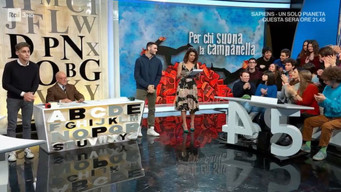
In this episode of "Per Un Pugno di Libri", the "Giuseppe Berto" Scientific High School of Mogliano Veneto confronts the "Leonardo" Scientific High School of Brescia on the theatrical work of one of the most important Russian writers of the 19th century: Nikolaj Gogol', "The Government Inspector". Written in 1836, the work is a satire on hypocrisy, bad habits, and corruption in a small Russian town where the Mayor is frightened by the arrival of an inspector general, coming from Petersburg. In reality, the inspector, the young Chlestakov, is not a real inspector, but a layabout who through a series of misunderstandings has become the most feared man in the town. As often happens in his works, Gogol' proves extraordinary in representing the pettiness and moral baseness of certain human types who continue to be present in the ranks of today's bureaucracy.
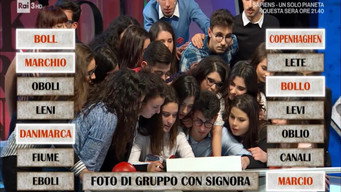
The tenth episode of "Per Un Pugno di libri" sees the "Manfredo Fanti" Scientific High School of Carpi (Mo) and the "Niccolò Copernico" Scientific High School of Barcellona Pozzo di Gotto (ME) compete on the novel by the German writer Heinrich Böll "Group Photo with Lady". Published in 1971, most critics consider it Böll's best book, the "summa of his narrative work". A wide-ranging novel in which the writer recounts half a century of German history: from the Weimar Republic to 1968. But, as in the past, also in this novel Heinrich Böll focuses on his "obsession": the war, the Second World War and its devastating effects on people's lives. The prize, as always, is not money, but works of genius (i.e. many books) and the possibility of accessing the final between the two classes that ranked best during the program.
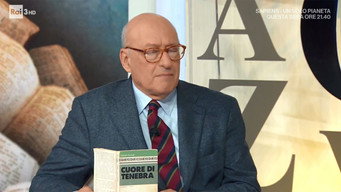
In this episode, the challenge to the last book is between the Liceo Classico "Giacomo Leopardi" of Recanati (MC) and the Liceo Classico "Ivo Oliveti" of Locri (RC) on the novel Heart of Darkness by the British writer Joseph Conrad. Published in 1899, it is considered one of the masterpieces of European literature between the nineteenth and twentieth centuries. Conrad tells us about the expedition of the European Charles Marlow into the heart of black Africa to track down, on behalf of a company involved in ivory trafficking, the mysterious Kurtz, of whom there is no further news. Marlow's journey, in reality, is a true descent into hell and, above all, into the abyss of the human psyche. In 1979, the great American director Francis Ford Coppola made a famous film adaptation, "Apocalypse Now", setting the story during the Vietnam War.
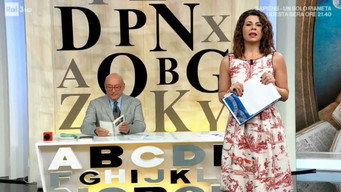
Last appointment of the season for the twentieth edition of the most famous book game on Italian television. At the helm, for the grand finale of "Per Un Pugno di libri", Geppi Cucciari who, with his usual mastery and irresistible irony, together with Professor Piero Dorfles leads the challenge between the European Classical High School of the "Emanuela Setti Carraro dalla Chiesa" boarding school and the "Foiso Fois" Art and Music High School of Cagliari. The two finalist classes compete on a fundamental novel of the Italian twentieth century, "La tregua" by Primo Levi. Published in 1963 and winner of the first edition of the Campiello prize that same year, the novel is the sequel to "Se questo è un uomo". After the deadly Iliad of the Lager, Levi tells us the Odyssey of the return after the liberation of Auschwitz.
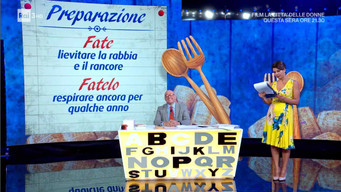
In this first episode, the two competing are the Liceo Classico "Giacomo Leopardi" of Macerata and the Liceo Classico "Galileo Galilei" of Nardò (LE). The book they are competing on has been defined as one of "the angry books of American literature": Martin Eden" by Jack London published in 1909. The novel, most often read as a fictionalized autobiography of its author, instead reflects the anxieties and contradictions of American society at the end of the nineteenth century.
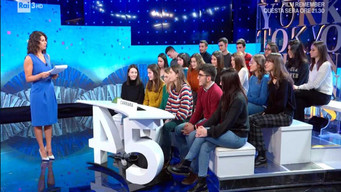
The episode pits the "Guglielmo Marconi" Scientific High School of Carrara against the "Giuseppe Garibaldi" Classical High School of Castrovillari (CS). To commemorate Holocaust Remembrance Day, the classes were asked to read "Natural Histories" by the Turin writer and chemist Primo Levi. They are 15 scientific and science fiction stories published by Einaudi in 1966. Pages in which, not infrequently, the writer uses the register of irony and satire to tell us about a future increasingly conditioned by technological progress, by disturbing and utopian experiments in which extraordinary and unpredictable machines operate. Levi himself explains the reason for these stories: "I wrote them... trying to tell an intuition that is not rare today: the perception of a flaw in the world we live in, of a small or large flaw, of 'a defect of form' that nullifies one or another aspect of our civilization or our moral universe".
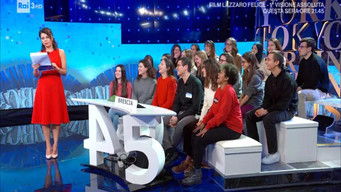
The third episode of "Per un Pugno di libri", the most famous book-game on Italian television, sees the Liceo Scientifico "Nicolò Copernico" of Brescia (BS) and the Liceo Classico "Filippo A. Gualterio" of Orvieto (TR) compete this Saturday on one of the most revolutionary texts of twentieth-century theatre: Waiting for Godot by the Irish writer Samuel Beckett, published in 1952. A work without a real plot in which the characters, Vladimir and Estragon, live a life of fulfillment in the vain wait for Godot, for his arrival. Everyone waits for him even though they know he will never arrive. A work, this one by Samuel Beckett, very current, that speaks to us of the absurdity of life, of its nonsense, of the absence of values and points of reference and of the loneliness of modern man.
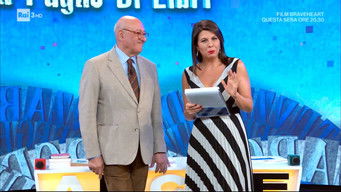
The fourth episode sees the Liceo Classico "Giulio Cesare" of Rome and the Liceo Classico "Renato Cartesio" of Villaricca (NA) compete on the novel "The Gambler", written in 1866 by one of the most important novelists of all time: the Russian writer Fyodor Dostoevsky. Set in a German spa town, Roulettenburg, whose casino attracts numerous tourists, the main theme of "The Gambler" is gambling that infects and besieges the book's protagonist, Aleksej Ivànovic, who narrates his story and that of the other characters in the book in the first person. Dostoevsky, with his unparalleled capacity for analysis and introspection, tells us in this novel the downward spiral of a man who is a victim of his own vice. "A self-conscious and unredeemed free fall, waiting for the last, definitive, rien ne va plus!".
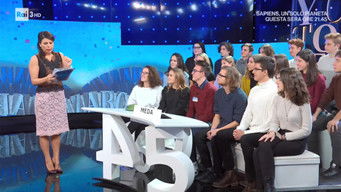
In this episode, the "Marie Curie" Scientific High School of Meda (MB) and the "Antonio Pacinotti" Scientific High School of Cagliari compete on the famous "Gothic" novel Frankenstein by the British writer Mary Shelley, published in 1818. Hosted, as always, by Geppi Cucciari and Piero Dorfles. Written in epistolary form, the book tells the story of Victor Frankenstein, a young and brilliant scientist who, driven by an immoderate, unstoppable ambition, creates a living being assembled with body parts from cadavers. The scientist thus gives life to a being that is anything but perfect: a deformed, monstrous, terrifying creature. With Frankenstein, Mary Shelley not only questions the limits of modern science, but above all investigates the folds, the deepest and most disturbing fears of the human soul, its unconscious.
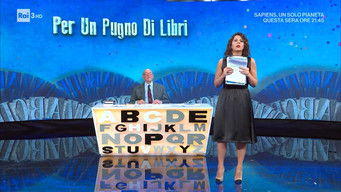
The episode is tinged with mystery with the novel "Poirot at Styles Court" by the British writer Agatha Christie, published in 1920. We are in England during the First World War and Captain Arthur Hastings, wounded on the front, is invited to spend his convalescence at the country estate of a friend of his, in Essex, at Styles Court. Here, however, the quiet existence of the Cavendish family and their friends is shattered by a terrible murder. It is at this point in the story that the character of Hercule Poirot appears for the first time in Christie's pages, "an extraordinary little dandy, with exceptional gray cells". It will be him, the most famous and eccentric investigator in European literature, to deliver the real murderer to justice and to unmask the blackmail and pettiness that hide in that corner of old England.
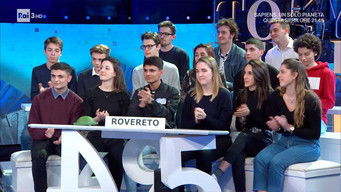
The seventh episode features a comparison between the Liceo Scientifico "Antonio Rosmini" of Rovereto and the Liceo Scientifico "Benedetti-Tommaseo" of Venice on a highly successful novel: "The Life Ahead" by the French writer of Lithuanian origin Romain Gary. Published in 1975, the book won the most important French literary prize in the same year: the Goncourt. Set in the immediate post-war period, in the multi-ethnic Parisian suburb of Belleville, Romain Gary's novel tells the story of Momo, a 10-year-old Arab boy, and Madame Rose, an elderly Jewish ex-prostitute who miraculously escaped the Holocaust, to whom the child was entrusted. Alongside them is a whole crowd of "miserables", outcasts of society. Despite the harshness, crude and even violent tones of the story, the book has moments of humor and authentic poetry.
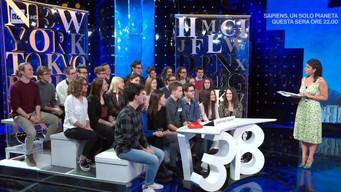
For a Fistful of Books, sees the "Saluzzo- Plana" Linguistic High School of Alessandria and the "Giuseppe Torno" Scientific High School of Castano Primo (MI) compete. The two classes will compete on the short novel The Rediscovered Friend by the German writer Fred Uhlman, published in 1971. Set in Nazi Germany in the 1930s and inspired by the writer's life, the book tells the story of the friendship between a Jewish boy from a bourgeois family, Hans Schwarz, and his classmate, the aristocrat Kostantin von Hohenfels. Soon, however, the strong bond that unites them is seriously compromised when Hans learns about the anti-Semitic ideas of Konradin's family and the admiration that the latter feels for Adolf Hitler. Only after the end of the war and the horrors of Nazism, far from Germany, Hans discovers the truth about his best friend, thus rediscovering the authenticity and value of that friendship.

Install Insep
Save Insep on your phone for a fast, app-like experience.
On iPhone or iPad, tap the Share button in Safari, then choose Add to Home Screen.